
10 Simple Homeschool Organization Tips That Actually Work
2/22/2026
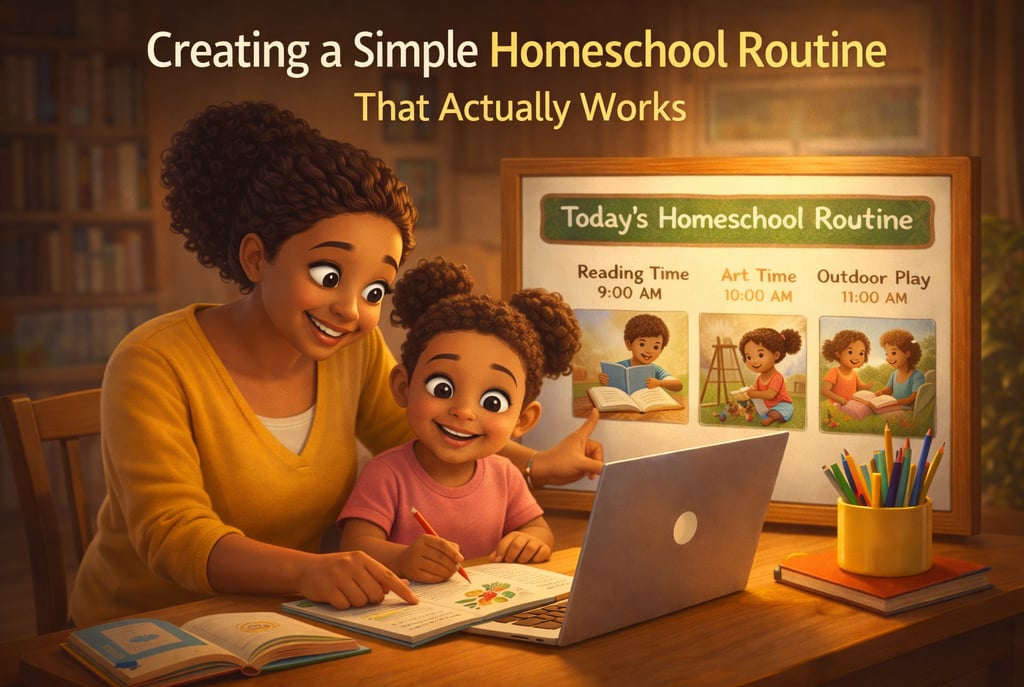
A dedicated homeschool room is often portrayed as a requirement for successful home education. In reality, many families begin homeschooling at kitchen tables, living room corners, or shared family spaces. A functional homeschool environment is less about square footage and more about intentional design.
Creating a calm and supportive learning space begins with identifying your family’s daily rhythm. Consider where learning naturally occurs throughout your home. Some children prefer quiet corners, while others engage best in communal areas. Observing these patterns can help you designate learning zones without rearranging your entire home.
Lighting plays a significant role in shaping learning atmosphere. Natural light can enhance focus, mood, and comfort. Positioning learning activities near windows or well-lit areas can subtly improve engagement without requiring additional purchases.
Storage solutions also contribute to functional spaces. Simple baskets, bins, or drawer organizers can transform clutter into accessible resources. Categorizing materials by subject or activity allows children to independently locate and return items, fostering responsibility alongside organization.
Flexibility is another key component of homeschool environments. Rather than assigning rigid purposes to spaces, consider multi-use setups. A dining table can host morning reading, afternoon projects, and evening family meals. Portable supply caddies enable learning to move with your family rather than remain confined.
Visual calmness supports cognitive clarity. Overly busy environments can distract young learners, while minimal displays create mental breathing room. Rotating materials and limiting visible supplies can maintain interest without overwhelming attention.
Comfort should not be overlooked. Seating that supports posture, surfaces at appropriate height, and accessible supplies all influence learning experience. Comfort does not require expensive furniture — thoughtful arrangement often achieves similar results.
Incorporating elements of inspiration can further enrich homeschool spaces. Artwork, maps, inspirational quotes, or student creations personalize environments and reinforce ownership of learning. Allowing children to contribute to décor decisions can strengthen engagement and pride.
Technology integration also deserves consideration. Whether using tablets, laptops, or audio resources, establishing charging stations and designated storage prevents device clutter. Clear technology boundaries can support both accessibility and balance.
Outdoor spaces can extend homeschool environments beyond walls. Patios, gardens, and nearby parks offer opportunities for reading, observation, and exploration. Viewing nature as an extension of learning space expands possibilities without cost.
Perhaps the most valuable element of any homeschool environment is emotional climate. A space characterized by patience, curiosity, and encouragement supports learning more powerfully than perfectly coordinated décor. Children remember how learning felt more than how rooms appeared.
Budget-friendly homeschool spaces emerge through creativity rather than consumption. Repurposed furniture, printable resources, library materials, and household items can form the foundation of effective learning environments. Starting with what you have allows your space to evolve organically alongside your homeschool journey.
Parents often discover that functionality improves gradually through observation and adjustment. Small changes such as relocating supplies, modifying seating, or introducing visual organization can produce meaningful improvements.
If you are beginning homeschool without a dedicated room or budget for redesign, take comfort in knowing that learning does not require perfection. A calm table, accessible materials, and supportive presence create conditions where education can flourish.
Your homeschool space does not need to impress visitors. It only needs to serve your family.
🧡 Helpful Tools That Can Support Your Homeschool Routine
While routines don’t require expensive materials, many homeschool families find that simple tools can make daily transitions smoother and learning spaces feel more intentional.
Visual supports, cozy workspace items, and independence tools can all play a role in helping children understand expectations and move confidently through their homeschool day.
If you’re building your homeschool rhythm, here are a few helpful categories many families enjoy using:
✔ Visual routine supports
Visual routine boards and schedule cards can help children anticipate what comes next, reducing resistance and creating smoother transitions between activities.
✔ Planning and organization tools
Homeschool planners and weekly boards provide a simple way to outline learning priorities without feeling locked into a rigid schedule.
✔ Cozy learning space helpers
Small environmental touches like desk lamps, cushions, and organizers can make learning spaces feel inviting and comfortable.
✔ Independence-building tools
Timers, activity trays, and reward charts can encourage focus, support independent work time, and reinforce positive learning habits.
👉 Browse homeschool routine support tools here
(This post may contain affiliate links. Homeschool Glow only shares tools families may find helpful.)
Contact Us
Homeschool Glow provides general educational guidance and organizational tools. Families are responsible for confirming requirements with their state.
© 2026. All rights reserved.
Important Note
Homeschool Glow Design House —Your Homeschool. Officially Documented. Beautifully Designed.